
About the author | About the book | Author's notes
"'Les femmes cobra' invites us to rethink who produces knowledge and what kinds of knowledge are considered legitimate."
About the author
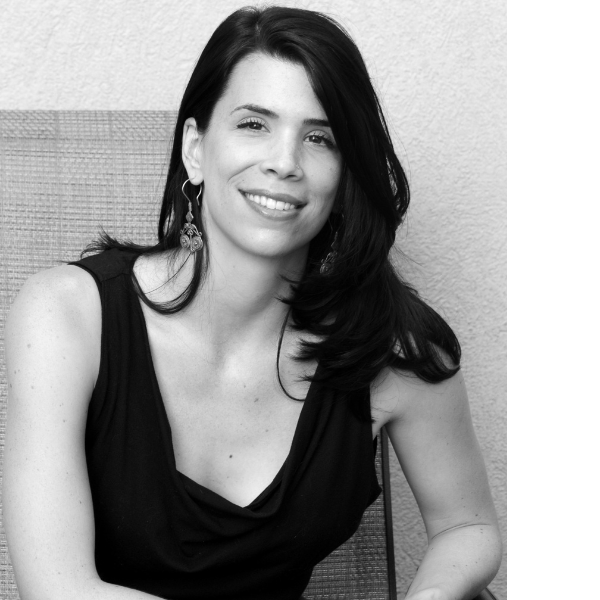
Marianne-Sarah Saulnier is an anthropologist, associate professor at UQAM, and researcher at the Observatoire québécois des inégalités.
A specialist in social and climate inequalities, she is particularly interested in the differential impacts of climate change based on gender, socioeconomic status, and living conditions, as well as issues of climate justice, climate migration, and gender-based violence.
Her research employs participatory, feminist, and intersectional approaches to better understand the realities experienced by the populations most affected by social and environmental crises. She is particularly interested in the contribution of experiential knowledge and participatory action research to understanding and reducing inequalities. She completed a postdoctoral fellowship at McGill University on women’s mobilization during climate disasters in South Asia and on the contributions of feminist anthropology to climate justice. She is also a member of the Conseil des Montréalaises and a visiting researcher at the Université de Montréal.
About the book
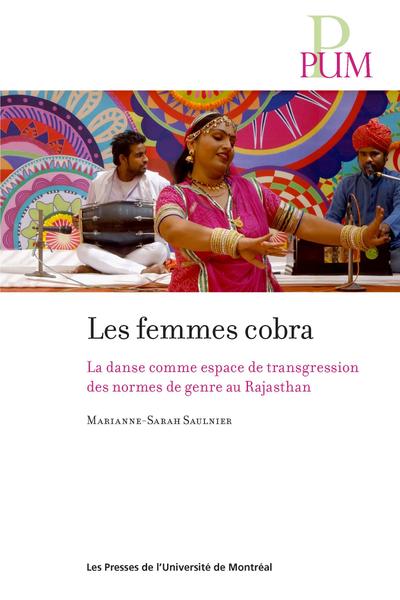 This book is dedicated to the cobra dance performed by women of the Kalbeliya community in Rajasthan, India—a dance that is growing in popularity and has replaced the now-banned traditional practice of cobra charmers. Adorned in cobra-inspired costumes and accompanied on stage by professional musicians, the dancers perform movements reminiscent of the dangerous reptile. This shift has upended traditional economic roles, with the dancer becoming the sole breadwinner of the household despite the purdah, a strict segregation of living spaces that prevents women, among other things, from leaving the house alone or holding a job.
The author of this book, who spent a long time in the region, shows how this practice, by transgressing numerous codes of conduct in several respects, transforms gender dynamics within the community.
“Les femmes cobra” invites us to rethink who produces knowledge and what kinds of knowledge are considered legitimate. Inspired by the principles of participatory action research, the book focuses on the knowledge and experiences of women who are too often excluded from decision-making and research spaces.
It shows that when those directly affected participate in the production of knowledge, we develop a richer, more nuanced, and more useful understanding of the social issues that shape our world