
About the authors | About the book | Authors' notes
"To relearn and repolish our founding agreements can re-invigorate a truly Indigenous humanities, can inform a range of truly social sciences within the real conditions of our actual, everyday environments."
Daniel coleman
"The book Deyohahá:ge invites readers to think differently about relationships, responsibilities, and the river of life as a shared ethical space."
bonnie Freeman
About the authors
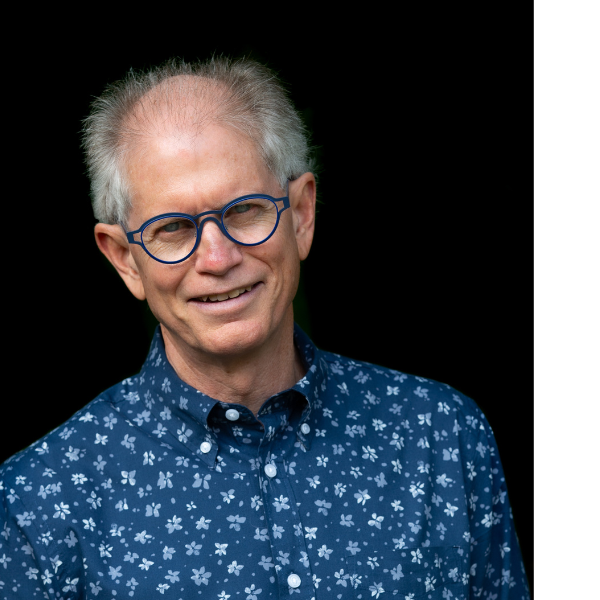
Daniel Coleman has long been fascinated by the poetic power of narrative arts to generate a sense of place and community, critical social engagement and mindfulness, and especially wonder. As a reader, writer, and teacher, he is compelled by the long, slow project of unlearning naturalized injustices and sanctioned ignorance and is witness to the fact that fresh ways to learn still occur and have transformative power. Although he has committed considerable effort to learning in and from the natural world, he is still a bookish person who loves the learning that is essential to writing. He has written scholarly books about literature, masculinity, migration, and whiteness in Canada, and he has written literary non-fiction books about his upbringing among missionaries in Ethiopia, about the spiritual and cultural politics of reading, and about eco-human relations in Hamilton, Ontario, the post-industrial city where he lives. He has edited books on early Canadian literary cultures, postcolonial masculinities, race, Caribbean-Canadian literature, the state of the humanities in Canadian universities, the creativity and resilience of refugee-d and Indigenous peoples, and international scholarship on Canadian literatures.
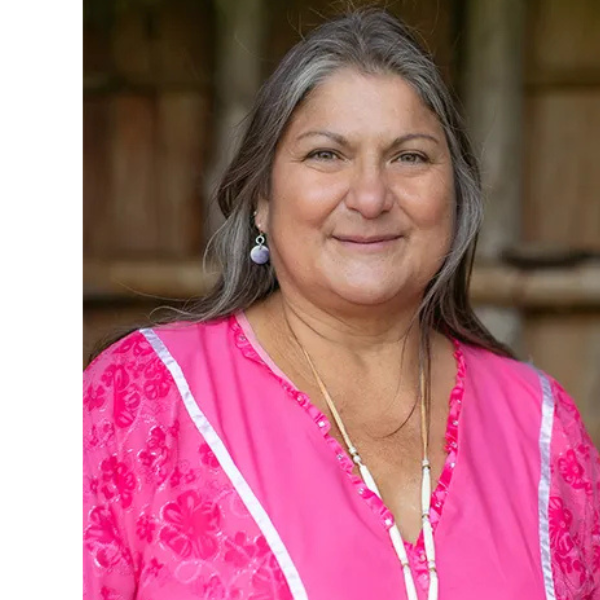
Bonnie Freeman is Algonquin/Mohawk from the Six Nations of the Grand River Territory. She is an Associate Professor in the School of Social Work at McMaster. Her work and research is rooted in connections with Six Nations, the Hamilton Aboriginal Community and other Indigenous communities throughout Canada and the United States. Her research interests are extensive. Her PhD dissertation research examined the journey of Six Nations Haudenosaunee youth, as they traveled on foot through their ancestral lands promoting the message of peace and unity and understanding the transformation of identity and well-being from the connection to land and culture, and self-determination.
Her research is rooted with Indigenous communities that focus on cultural interventions in social work practice, community healing approaches, anti-oppressive practices and decolonization, and indigenous-non-indigenous relations and alliances.
Ki'en Debicki is an Indigiqueer, enby prof who lives, works, and plays in Anonwarore’tsherakayon:ne (Hamilton) with their kid, their mini schnauz, and their ADHD.
They're Assistant Professor of English and Cultural Studies and Indigenous Studies. Their research interests include trees, stories, wampum, queer Indigenous literatures, disability justice, critical race studies, revolution, and all things Haudenosaunee.
About the book
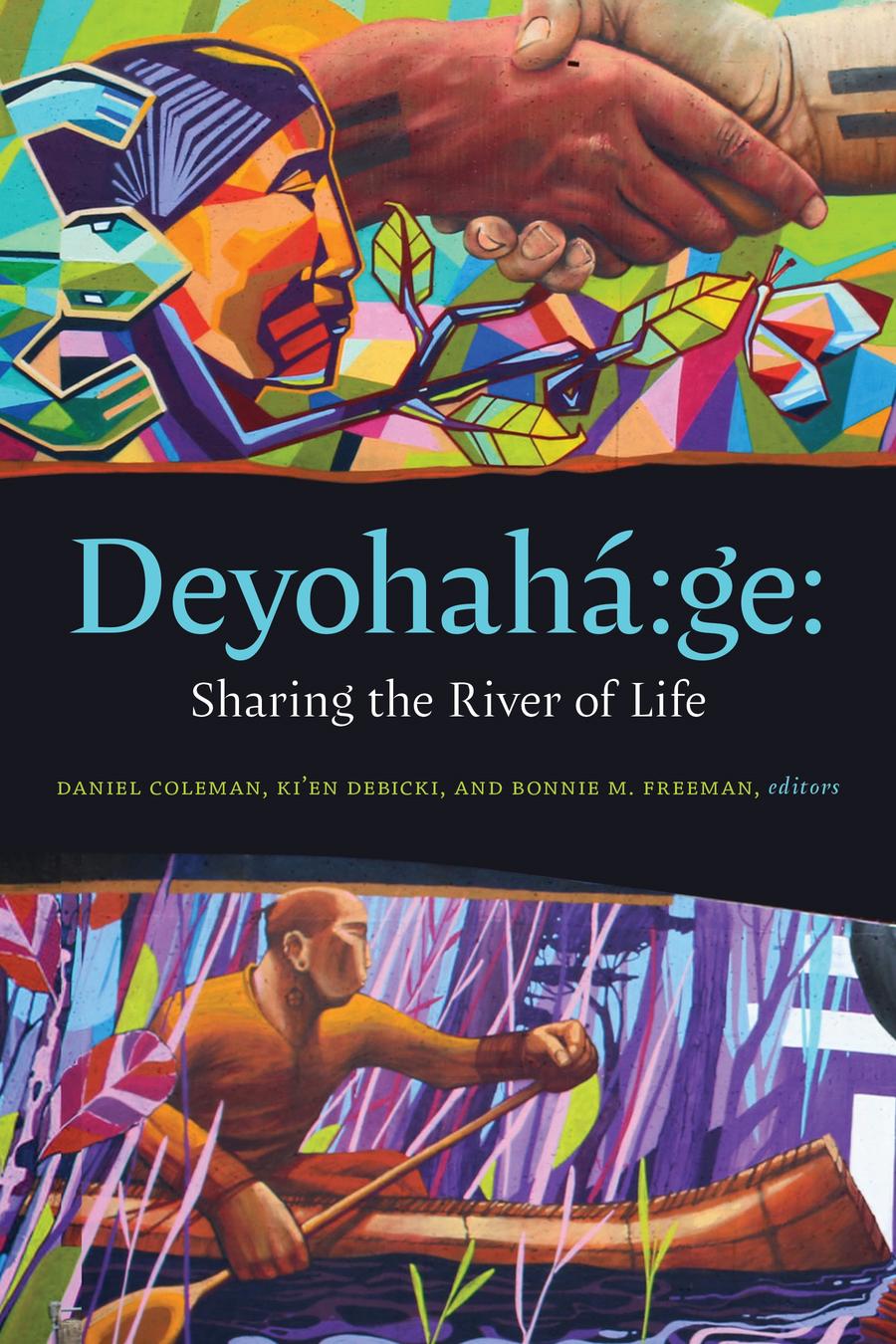 Deyohahá:ge:, “two roads or paths” in Cayuga language, evokes the Covenant Chain-Two Row Wampum, known as the “grandfather of the treaties.” Famously, this Haudenosaunee wampum agreement showed how Indigenous people and newcomers could build peace and friendship by respecting each other’s cultures, beliefs, and laws as they shared the river of life.
Written by members of Six Nations and their neighbours, this book introduces readers not only to the 17th-century history of how the Dutch and British joined the wampum agreement, but also to how it might restore good relations today. Many Canadians and Americans have never heard of the Covenant Chain or Two Row Wampum, but 200 years of disregard have not obliterated the covenant. We all need to learn about this foundational wampum, because it is resurging in our communities, institutions, and courthouses—charting a way to a future.
The writers of Deyohahá:ge: delve into the eco-philosophy, legal evolution, and ethical protocols of two-path peace-making. They tend the sacred, ethical space that many of us navigate between these paths. They show how people today create peace, friendship, and respect—literally—on the river of everyday life.
Wampum studies provide access to original humanities and social science that emerged right here on Turtle Island. Research in wampum ceremonies and covenants helps contemporary peoples re-envision how to live in peace, friendship, and respect with all our neighbours, human and more-than-human.
To relearn and repolish our founding agreements can re-invigorate a truly Indigenous humanities, can inform a range of truly social sciences within the real conditions of our actual, everyday environments. - Daniel Coleman
The book Deyohahá:ge invites readers to think differently about relationships, responsibilities, and the river of life as a shared ethical space. It places Haudenosaunee/Indigenous knowledge in a central position within the academy of Social Sciences and Humanities by inviting readers to shift from thinking of knowledge as abstract to understanding it as something active and engaging through our relationships, responsibilities, and the land itself.
This book is important at this moment because it shifts people back to ways of living that centre on what it means to live together on this land and respecting our natural environment and all living beings. The lived experiences offered by our authors in the pages of this book share the return to the original teachings of the Covenant Chain–Two Row Wampum as a living framework for peace, friendship, and respect. - Bonnie Freeman